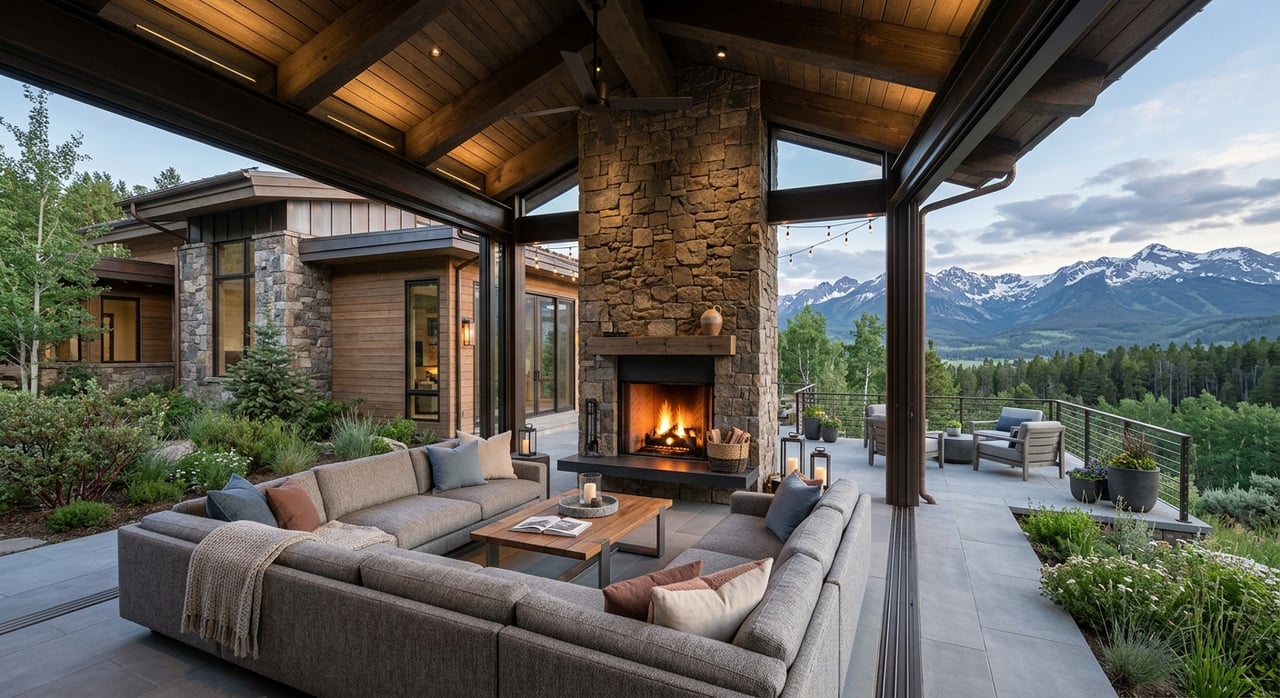
Carbondale Colorado Lifestyle Guide for Year-Round Living
If you are wondering whether Carbondale feels lively after the summer crowds thin out, the short answer is yes. Living here year-round means you get a small mountain town with a real daily rhythm, not just a seasonal backdrop. From downtown events and trail access to transit options and housing realities, here’s what you can expect if Carbondale is on your radar. Let’s dive in.
Carbondale is a compact incorporated town in Garfield County with an estimated 6,758 residents in 2024 and about 2.0 square miles of land area. That small scale shapes daily life in a noticeable way. You are never far from downtown, trails, or familiar faces.
The town also has a distinct identity that goes beyond being near bigger resort destinations. Official town and tourism sources describe Carbondale as a place where mining, ranching, skiing, resort culture, and sustainable business all meet. That mix gives the town a grounded, community-minded feel with a creative edge.
Carbondale is also relatively connected for a mountain town. It sits about 170 miles west of Denver and around 30 miles from Aspen. For many residents, that means you can enjoy a quieter home base while still staying tied to the wider Roaring Fork Valley.
One of the biggest reasons people enjoy Carbondale year-round is its downtown. Main Street serves as the town’s social core, with restaurants, galleries, antiques, a cinema, a brew pub, and saloons all helping create steady activity through the year. Instead of feeling spread out, daily life tends to circle back to a central, walkable area.
That downtown energy is not limited to peak tourist months. Carbondale Arts hosts First Friday programming that brings together art, shopping, live music, and extended business hours in the historic core. It adds a recurring community rhythm that gives residents something familiar to look forward to each month.
You also see that sense of connection in the town’s civic spaces and local organizations. The Carbondale Branch Library, the downtown Colorado Mountain College campus, and local service and community groups all contribute to a year-round sense of involvement. If you value places where people gather regularly, Carbondale offers that in a very tangible way.
Living in Carbondale year-round means living with a clear seasonal pattern. The town sits at 6,181 feet and averages about 30°F in January and 70°F in July. It also gets about 17 inches of annual precipitation, around 45 inches of annual snowfall, and roughly 295 days of sunshine.
In practical terms, that means your routines often shift with the weather and daylight. Summer and early fall tend to bring the most visible outdoor and community activity, while winter naturally pushes more attention toward downtown dining, galleries, and indoor programming. For many residents, that changing pace is part of the appeal.
The growing season is also fairly specific. The town profile notes a 98-day growing season, with the last spring frost around June 1 and the first killing frost around September 15. If gardening or landscaping matters to you, that timing is worth keeping in mind.
Warmer months are when Carbondale’s event calendar becomes especially noticeable. The Carbondale Farmers’ Market runs on Wednesdays from June through September at 4th and Main, featuring local farmers, producers, and artisans. It gives the middle of the week a built-in community moment.
Mountain Fair is another signature part of local life. Carbondale Arts says the event has been held since 1971 and takes place the last full weekend of July in Sopris Park and downtown Carbondale. Because it is volunteer-run and community-centered, it reflects the town’s culture as much as it does its calendar.
For year-round residents, these events are not just things to attend. They help define the social rhythm of the town. You start to recognize the seasons not only by weather, but by what is happening downtown.
Carbondale’s setting is one of its biggest lifestyle draws. The town sits in the broad valley where the Crystal and Roaring Fork rivers meet, at the base of Mt. Sopris. Official tourism materials highlight access to rivers, hiking and biking trails, and the town’s creative district as central parts of the local experience.
Red Hill is one of the best-known nearby recreation areas for residents. The Red Hill Special Recreation Management Area offers hiking, mountain biking, horseback riding, and leashed-dog access, along with views of Mt. Sopris. It is the kind of nearby outdoor space that can easily become part of your weekly routine.
The Crystal Valley Trail adds another layer of everyday usability by providing paved walking and biking connectivity at the town level. Beyond town, Garfield County spans 2,952 square miles, and 68% of it is publicly owned. That wider landscape helps explain why access to open space feels like such a defining part of living here.
Carbondale stands out from many mountain communities because it offers several practical ways to get around. The town says the Carbondale Connector and RFTA provide free in-town shuttle options, and the Carbondale Downtowner began service in July 2024. That can make short local trips easier, especially if you are heading downtown or connecting to other parts of the valley.
WE-cycle bike share is also available at multiple stations around town, with weather-dependent free 30-minute rides. For some residents, that supports a more flexible day-to-day routine during milder months. It also fits the town’s compact footprint well.
Regional access matters too. RFTA manages much of the Rio Grande Trail, which runs from Glenwood Springs to Aspen. If you like the idea of a mountain town where local movement feels relatively easy, Carbondale checks more boxes than many buyers expect.
As inviting as the lifestyle can be, housing costs are a major part of the conversation. Census QuickFacts lists Carbondale’s 2024 median owner-occupied home value at $900,600. Median gross rent is listed at $2,167.
Those numbers point to a premium market, even in a town that feels relaxed and approachable. If you are planning a move, it helps to think carefully about what you want most, such as walkability, trail access, newer construction, or proximity to downtown. Your budget and lifestyle goals will likely need to work closely together.
The same source lists a 2024 median household income of $108,324. For some buyers and renters, that gap between lifestyle appeal and housing cost is the biggest adjustment. Going in with a clear plan can help you make a smarter decision.
Year-round living in Carbondale tends to appeal to people who want a balance of recreation, community, and day-to-day convenience. You have a real downtown, recurring events, local transit options, and close access to trails and rivers. That combination can support a wide range of routines, whether you work locally, commute within the valley, or split your time between home and outdoor activities.
For households thinking long term, Roaring Fork Schools serves more than 5,300 students across 14 schools in Glenwood Springs, Carbondale, and Basalt. The district offers a PreK-12 continuum in each community along with dual language and biliteracy options. If schools are part of your search, that gives you an important piece of the broader local picture.
What stands out most is that Carbondale feels active without feeling oversized. You get a place with strong civic identity, visible local culture, and access to the outdoors that is woven into everyday life. For many people, that is exactly what makes year-round living here so compelling.
If you are considering a move to Carbondale or want help understanding how different neighborhoods and property types fit your goals, working with a local advisor can make the process much clearer. Karen Peirson offers thoughtful, high-touch guidance rooted in decades of Roaring Fork Valley experience.

Start your Aspen home search with a trusted local expert. Whether you're looking for a ski-in/ski-out retreat or a cozy home in the valley, Karen will guide you every step of the way.