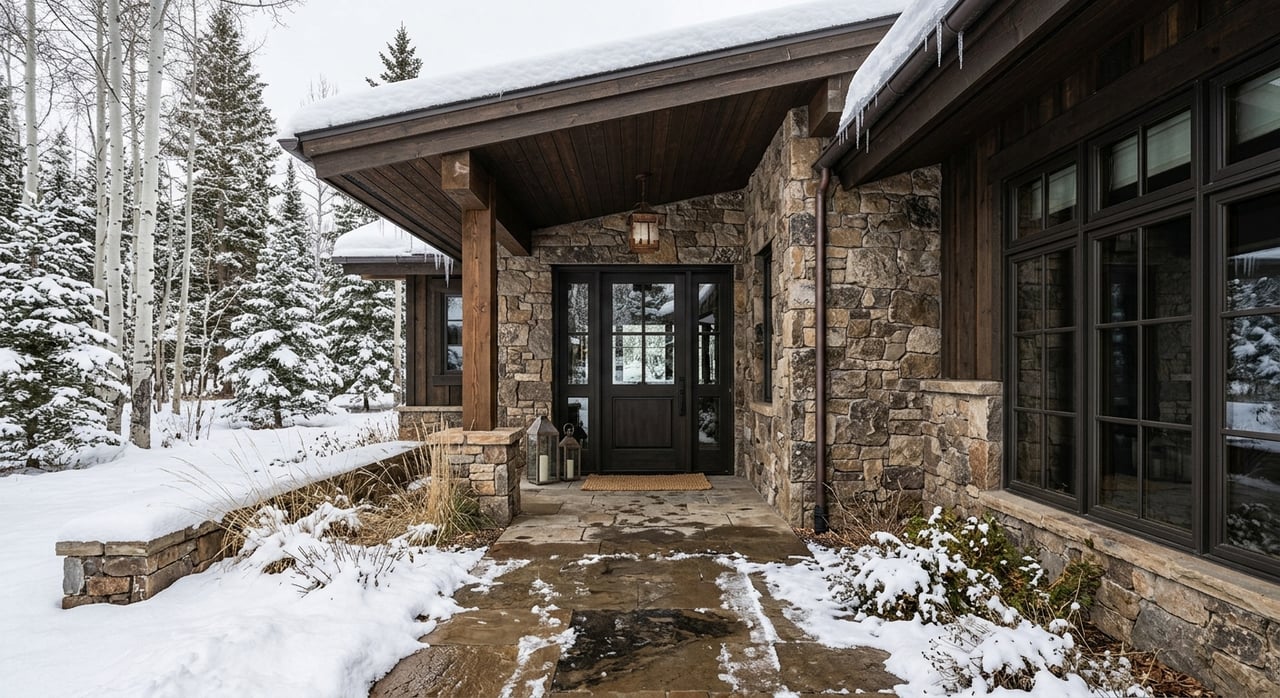
Buying A Vacation Home In Snowmass: Key Questions To Consider
Dreaming about a place in Snowmass sounds easy until you start weighing how you will actually use it. A vacation home here can be a ski base, a summer retreat, a lock-and-leave condo, or a property that mixes personal enjoyment with rental income. The right fit depends on more than views and finishes. It depends on seasonality, local rules, upkeep, and long-term carrying costs. Let’s dive in.
Before you focus on inventory, it helps to get clear on your goals. In Snowmass, that matters because the community moves on a distinctly seasonal rhythm.
Snowmass Village describes itself as a year-round resort community, but day-to-day living can feel very different depending on the time of year. Ski season typically runs from Thanksgiving through mid-April, while summer activity is strongest from June through September. During shoulder seasons, some restaurants and retailers reduce hours or close.
That means your ideal property in February may not be your ideal property in May or October. If you plan to visit mostly in winter, ski access and storm-day convenience may matter most. If you picture long summer stays, you may care more about space, privacy, and ease of getting around during the warmer months.
A vacation home should be easy enough to enjoy often. In Snowmass, travel logistics are part of the buying decision, especially for out-of-area buyers.
Snowmass Village is about 6.5 miles from Aspen/Pitkin County Airport, and the area offers free shuttle options. That convenience can be a major advantage if you plan to come in for long weekends or host visiting family and friends.
Winter access also deserves a closer look. Independence Pass closes in winter, so travel generally relies on the I-70 and Highway 82 route. If quick winter arrivals are part of your lifestyle plan, location and ease of access can shape how often you actually use the property.
A home that looks perfect on paper may feel less practical if getting there is harder than expected during peak winter travel. For many second-home buyers, convenience is what turns a vacation property into a place you truly use.
Many buyers in Snowmass consider short-term rentals to offset carrying costs. If that is part of your strategy, local rules should be reviewed early, not after you fall in love with a property.
In Snowmass Village, a short-term rental is defined as a stay of fewer than 30 consecutive days. The town requires hosts to obtain both a business license and a short-term rental permit. Permit types vary based on the property type, including hotels, multifamily buildings, and single-family homes or duplexes.
Current town guidance states that the permit fee is $400, permits renew annually, and they expire on April 30. The town also requires a designated local owner representative who must be available 24/7/365 and respond within 60 minutes.
For single-family homes and duplexes, the town sets a four-night minimum stay. Owners are also responsible for collecting and remitting sales and lodging taxes themselves rather than relying on platforms to do it for them.
In resort markets, HOA rules can shape how you use a property just as much as public regulations. That is especially true if you are considering a condo, townhome, or any home in a managed community.
Town rules specifically require compliance with any more restrictive HOA standards. So even if a property appears eligible for short-term rental use under town rules, the HOA may limit or prohibit that use.
This is one of the most important due-diligence steps for second-home buyers. It can affect rental flexibility, management expectations, pet rules, parking, amenity access, and future resale appeal.
Owning in Snowmass means planning for real winter conditions. NOAA climate normals for nearby Aspen 1SW show 170.8 inches of annual snowfall and 24.45 inches of annual precipitation. December’s mean temperature is 21.1°F, and January and February snowfall normals are about 28 inches each.
Those numbers make one thing clear: a vacation home here needs active care, especially when you are away. Snow removal, roof access, freeze protection, heating-system monitoring, and winterization are not side issues. They are part of responsible ownership.
A property that works beautifully for a full-time resident may need extra systems or service support for a second-home owner. If the home will sit vacant for stretches, remote monitoring and reliable local help become essential.
Snowmass ownership is not only about snow. It also means paying attention to wildfire readiness and local building rules.
Snowmass Village completes annual wildfire mitigation projects, which reflects the importance of ongoing risk awareness in the area. If you are evaluating a home with more land, mature landscaping, or a wooded setting, ask how the property is maintained with that context in mind.
If a fireplace or wood stove is part of your vision for a mountain retreat, review the rules before you assume changes are possible. Pitkin County regulates fireplaces and wood stoves and requires registration before a building permit is issued. If you plan renovations, that detail matters.
In a resort market, the monthly and annual cost of ownership often tells the real story. A home may fit your price target but still feel expensive once taxes, dues, insurance, utilities, and management are added together.
Pitkin County bills property taxes in the current year for the prior year and typically sends notices in mid-January. The county calculates taxes using assessed value times the mill levy, and a bill may include several taxing entities, not just the county.
That is why it helps to underwrite the property as both a lifestyle asset and an operating asset. You want to understand not only what the home costs to buy, but what it costs to keep ready, protected, and enjoyable throughout the year.
Even if you plan to keep the home for years, resale flexibility matters. In Snowmass, long-term value often connects back to access, usability, maintenance quality, and rental flexibility.
A property that is easy to enjoy, easy to manage, and appealing to future buyers may offer more options later. Features like ski access, village proximity, views, walkability, and rental eligibility can all affect how broadly the property appeals when it is time to sell.
That does not mean every buyer needs the same checklist. It means your purchase should reflect both your current lifestyle and the next buyer’s likely priorities.
A Snowmass vacation-home purchase usually works best when you evaluate it from several angles at once. Beyond the showing and the offer, you may need input on taxes, insurance, management, and ownership logistics.
A prepared buyer will often want to compare use patterns, HOA limits, tax obligations, maintenance demands, and resale potential before making a final decision. Depending on the property and your goals, that can include conversations with your lender, CPA, attorney, insurance broker, and property manager.
This is where local guidance can make a real difference. In a nuanced resort market, the details behind the lifestyle are often what protect your investment and your peace of mind.
If you are considering a vacation home in Snowmass, working with an advisor who understands how the valley lives through every season can help you ask better questions from the start. When you’re ready for thoughtful, high-touch guidance, connect with Karen Peirson.
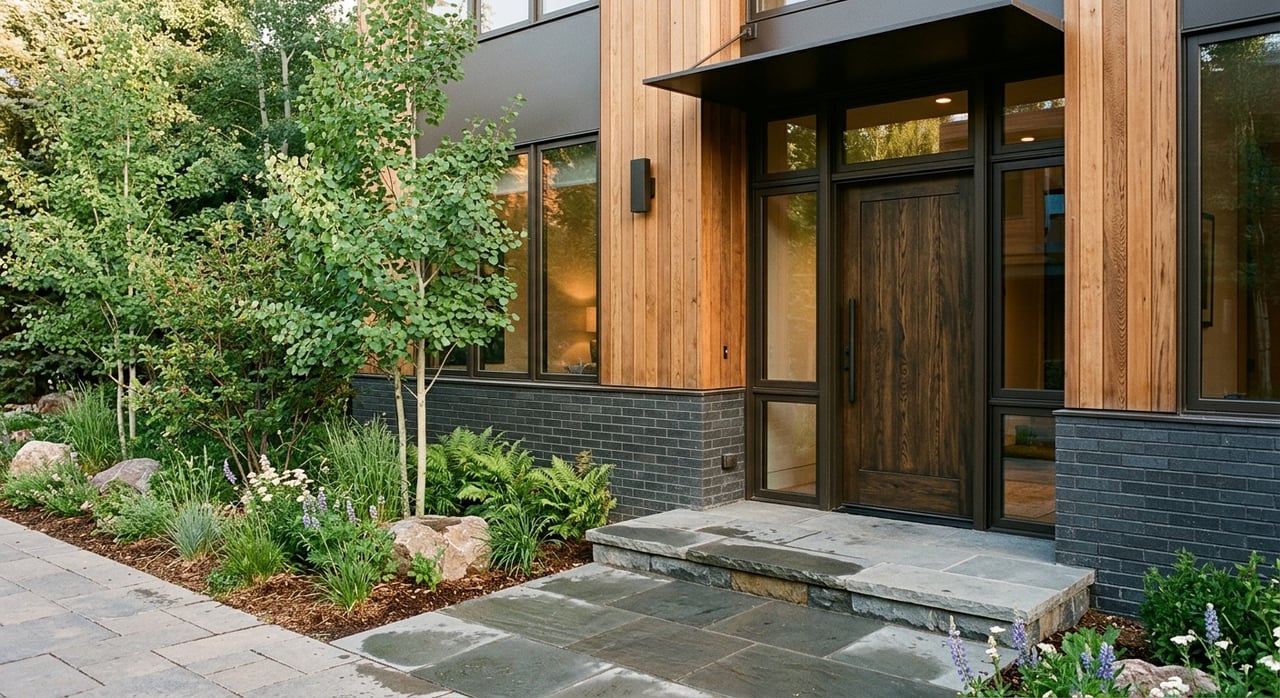
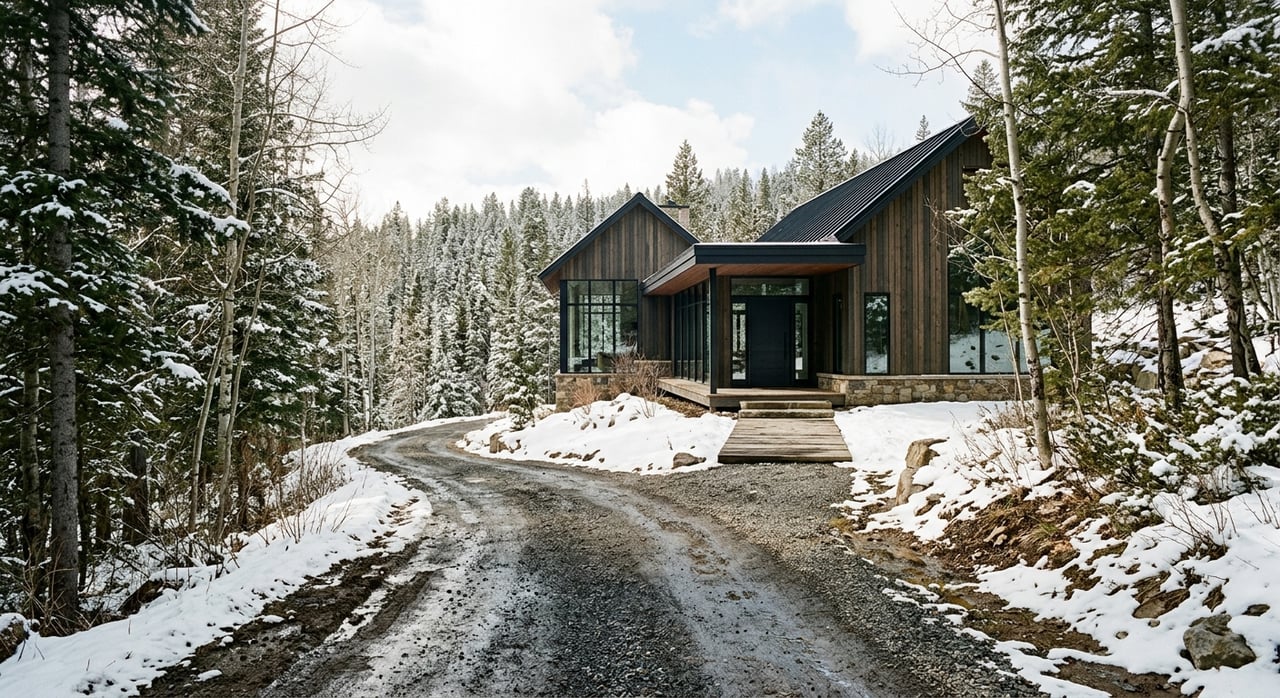
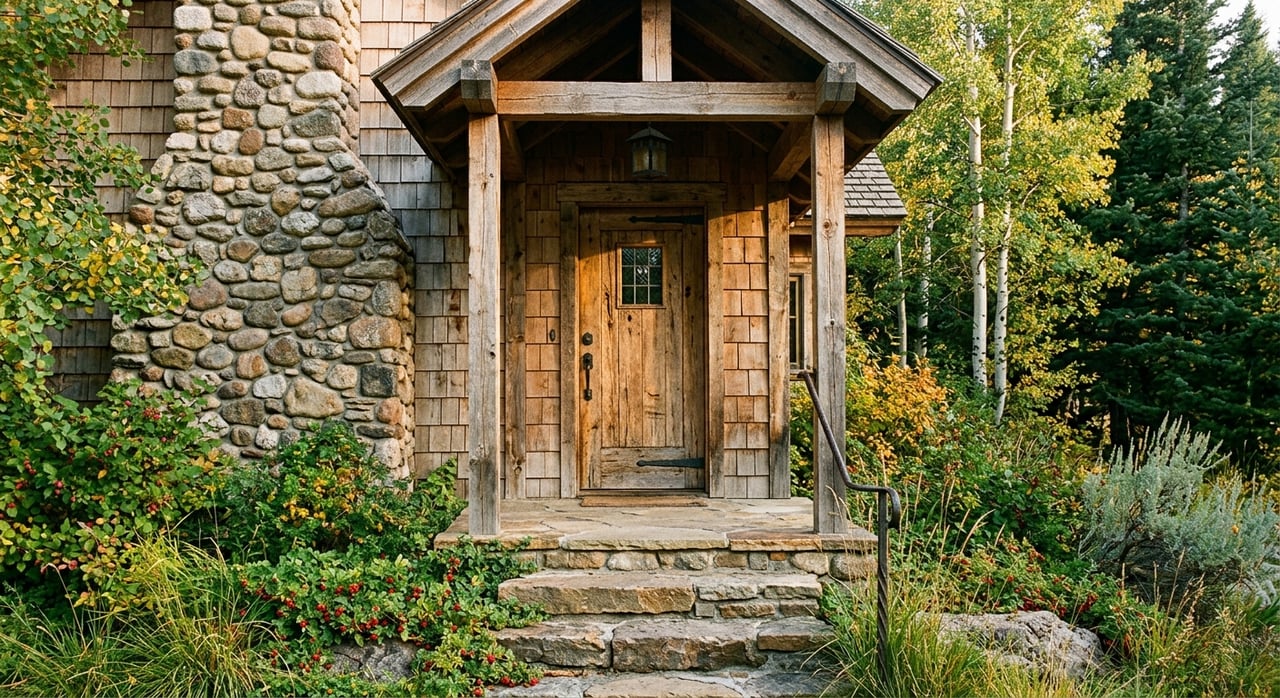
Start your Aspen home search with a trusted local expert. Whether you're looking for a ski-in/ski-out retreat or a cozy home in the valley, Karen will guide you every step of the way.