Missouri Heights vs Valley Floor: Which Lifestyle Fits?
Wondering whether life above the valley floor is worth the trade-offs? If you are weighing Missouri Heights against Carbondale or Basalt, you are really deciding how you want your days to feel. This guide will help you compare views, space, roads, utilities, and daily convenience so you can decide which setting fits your lifestyle best. Let’s dive in.
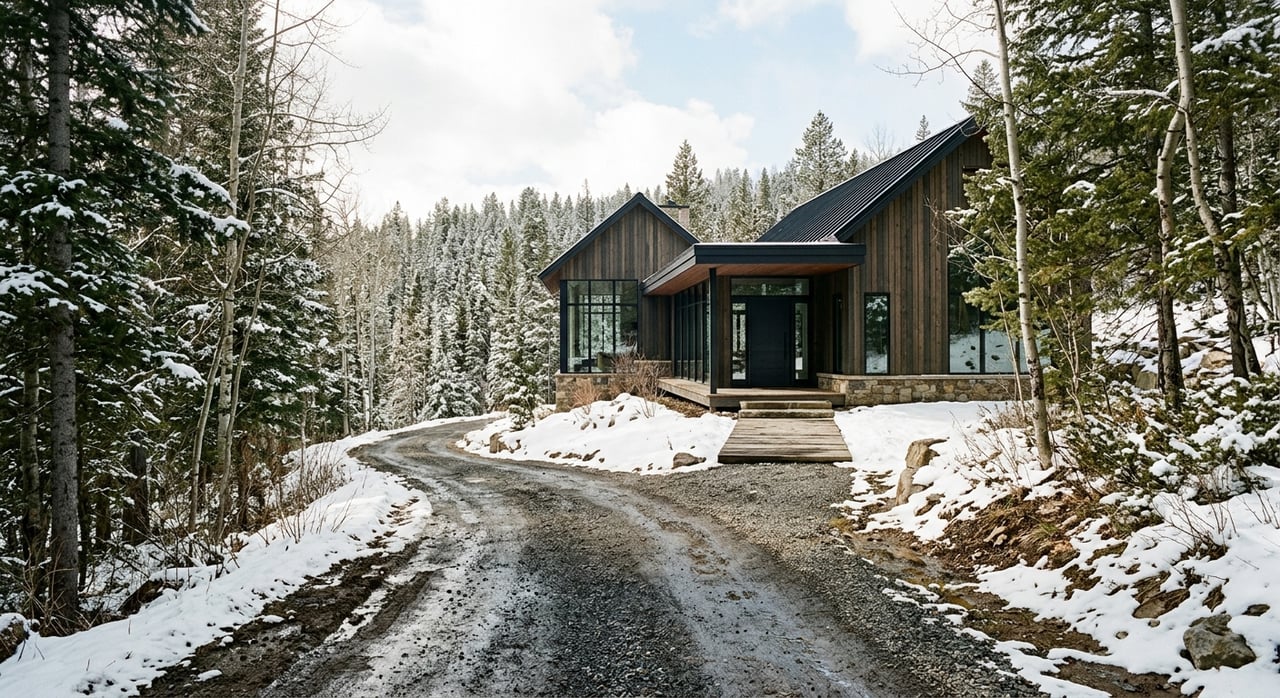
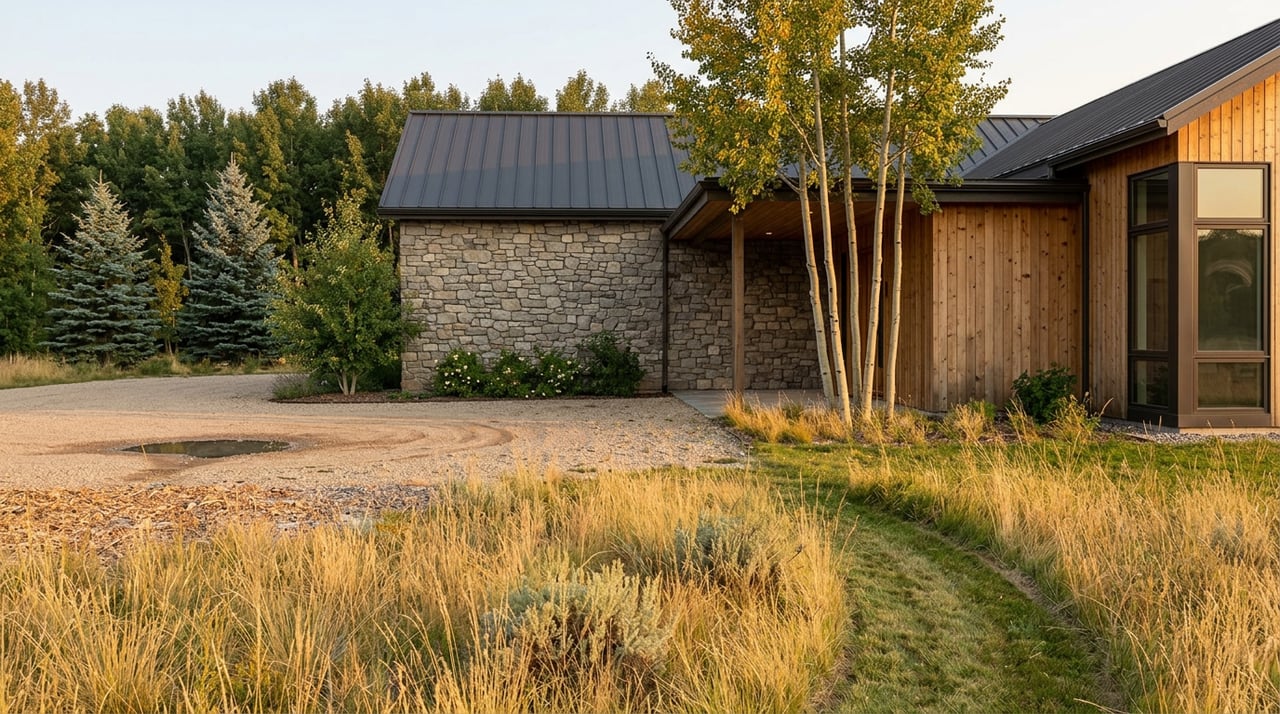
Missouri Heights is best understood as a rural, historically agricultural area in Garfield County. County land-use records point to the area's appeal through larger acreage, separation from neighbors, and wide-open views that can include the Roaring Fork Valley, Mt. Sopris, and the Elk Mountain Range.
If that picture speaks to you, elevated living may feel like a natural fit. Many buyers are drawn to the sense of privacy and the quieter rhythm that comes with being outside the more built-up town centers.
On the valley floor, the experience shifts toward convenience and connection. Carbondale’s planning documents describe downtown as the town’s civic and commercial center, with an emphasis on pedestrian-oriented design and trail connectivity.
Basalt reflects a similar pattern in different ways. Town planning around sidewalks, bike lanes, crossings, and transit access shows a more connected, town-centered daily routine than you typically find on a rural mesa.
This is the heart of the Missouri Heights versus valley floor decision. In simple terms, Missouri Heights often offers more space, more privacy, and bigger view corridors, while the valley floor often offers shorter errand loops and easier access to town services.
That does not make one better than the other. It means you are choosing what matters more in your everyday life: room to spread out or lower-friction routines.
The valley towns themselves are not all at the same elevation. Carbondale’s historic survey places the town at about 6,170 feet above sea level, while Basalt is listed at 6,624 feet on an official town tree list.
Even with that variation, both towns function as part of the lower, town-centered mid-valley when compared with Missouri Heights. For many buyers, that difference is felt less in a number on paper and more in how the landscape and road network shape the day.
If you live on Missouri Heights, driving tends to play a bigger role in your schedule. County Road 102 serves the area, and Garfield County’s road materials and maintenance guidance make it clear that county roads and winter operations matter in a practical way.
Garfield County says winter plowing priorities go first to primary roads, school-bus routes, and emergency routes. The county also notes that Road and Bridge is not a 24-hour service, and snow berms across driveways are the homeowner’s responsibility.
That does not mean winter living is unmanageable. It does mean elevated living usually calls for more self-reliance, more planning, and a realistic comfort level with snow and road conditions.
On the valley floor, you may have more ways to get around without always relying on your car. RFTA provides year-round regional service connecting Rifle, Glenwood Springs, Carbondale, Basalt, Aspen Village, and Aspen/Snowmass.
Carbondale adds another layer of convenience. The town’s planning documents note the VelociRFTA station on Highway 133, and the free Carbondale Circulator runs every 15 minutes from 5 a.m. to 9 p.m.
For some households, that flexibility changes the pace of the day. You may still drive often, but the valley floor gives you more chances to mix in transit, walking, and shorter trips.
For buyers thinking about daily schedules, the valley floor often supports a more connected routine. Roaring Fork Schools serves more than 5,300 students across 14 schools in Glenwood Springs, Carbondale, and Basalt.
Basalt’s Safe Routes to School project is also improving pedestrian and bicycle access between downtown, schools, Highway 82, and major transit stops. That kind of infrastructure can make school and activity logistics feel more streamlined than they do from a rural road network.
Town infrastructure is one of the biggest practical differences between these settings. Carbondale’s comprehensive plan says its wastewater system was operating at about 65% of capacity and includes about 22 miles of pipelines, while the development code notes that water, sewer, and power lines are already installed within or near many developed areas.
Basalt also has a built-out municipal water framework, with service from the town water system and the Mid-Valley Metropolitan District. In general, the valley floor tends to offer more established infrastructure and fewer parcel-specific unknowns.
In Missouri Heights, due diligence often becomes more property-specific. In one 2023 county subdivision approval, the application referenced two existing wells and irrigation water availability only to the extent that it was legally and physically available through Missouri Heights and Mountain Meadows Irrigation Company.
That is a useful reminder for buyers looking on the mesa. You will want clear answers about wells, irrigation, water rights, septic systems, and any HOA or ditch-company responsibilities tied to the property.
Wildfire planning matters throughout the Roaring Fork Valley, but it deserves especially close attention in Missouri Heights. The Carbondale & Rural Fire Protection District serves Missouri Heights and lists Station 85 on County Road 100.
Garfield County’s wildfire protection plan rates Missouri Heights from moderate to extreme and points to above-ground electrical utilities, terrain, and weather conditions that can support extreme fire behavior. The county also notes strong response capability and hydrants, but buyers should still treat defensible space, evacuation routes, and insurance questions as core parts of the decision.
If you work from home, broadband deserves a place high on your checklist. Garfield County says it has focused broadband efforts on rural areas where service may be unreliable or unavailable, and the county notes public concern about limited residential service options in rural parts of the county.
For a Missouri Heights property, it is smart to verify internet performance directly rather than assume coverage will meet your needs. If your work depends on stable connectivity, that one detail can shape your experience as much as the view.
Missouri Heights often fits buyers who want a rural feel, larger parcels, broader views, and more distance between homes. It can be a strong match if you value quiet, privacy, and a property that feels more rooted in landscape than in town activity.
It also helps if you are comfortable trading some convenience for those benefits. Winter driving, infrastructure questions, wildfire planning, and internet verification all become part of the lifestyle.
The valley floor often fits buyers who want easier routines and stronger town connectivity. If you like being closer to services, transit, schools, trails, and a pedestrian-oriented downtown environment, Carbondale or Basalt may feel more aligned with your goals.
That does not mean valley living is effortless. Local planning documents still note congestion, pedestrian gaps, and multimodal needs, so mountain-town living comes with its own considerations too.
The real comparison is not simple versus complicated. It is rural space and views versus town convenience and lower-friction routines.
If you picture mornings with bigger skies, longer driveways, and more independence, Missouri Heights may be exactly what you want. If you picture a day built around shorter trips, transit options, and closer access to town services, the valley floor may be the better fit.
A thoughtful home search in this part of the valley should go beyond square footage and price. The right choice is the one that fits how you want to live, move, and plan for the seasons.
If you want help comparing Missouri Heights with Carbondale, Basalt, or other Roaring Fork Valley options, Karen Peirson offers local, high-touch guidance tailored to the way you live.

Start your Aspen home search with a trusted local expert. Whether you're looking for a ski-in/ski-out retreat or a cozy home in the valley, Karen will guide you every step of the way.