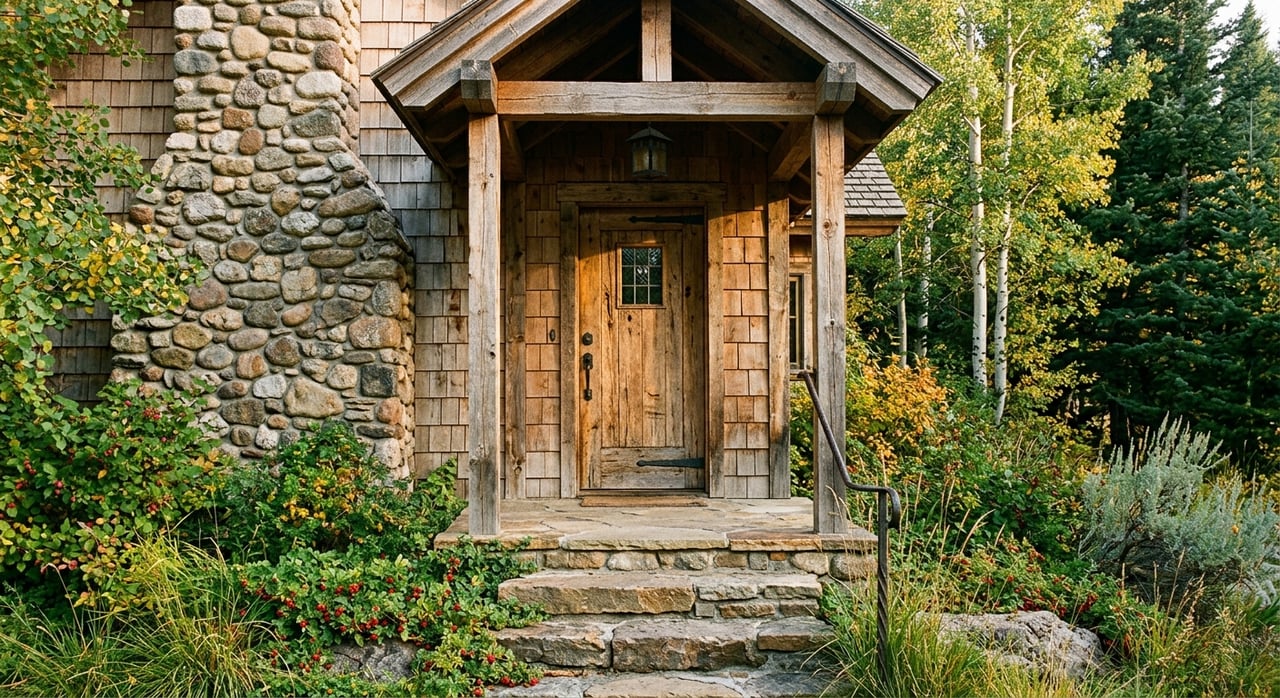
Selling A Historic Or Rustic Home In The Crystal River Valley
If you own a historic cottage, cabin, or rustic home in Redstone, you are not selling just walls and square footage. You are selling a piece of the Crystal River Valley story, and that takes a different approach than listing a more typical mountain property. With the right prep, pricing, and marketing, you can protect your home’s character while helping buyers see its full value. Let’s dive in.
Redstone has a distinct identity within Pitkin County, and that matters when you sell. The Redstone Historic District was designated by Pitkin County in 1980, and the county’s current design guidelines were revised in 2022.
That historic framework shapes how buyers view homes and how sellers should prepare them for market. In Redstone, architecture, setting, and preservation are not side notes. They are part of the property’s appeal.
The village itself grew from John C. Osgood’s company-town vision in the late 1890s and early 1900s, with much of the community completed around 1902. Its layout and buildings were intentionally planned, from cottages on the Boulevard to larger homes on the Hill and more prominent structures tied to the Osgood family and managers.
For you as a seller, that history creates a strong story. A home in Redstone often draws interest because of its connection to the Crystal River, the mountain backdrop, the pedestrian village pattern, and the area’s long-standing historic character.
When you prepare a historic or rustic home for sale, your goal is not to erase age. Your goal is to show care, integrity, and compatibility with the district.
Pitkin County’s guidelines favor repair over replacement and restoration over wholesale redesign. In practical terms, that means buyers may respond better to original details that have been maintained well than to updates that feel out of place.
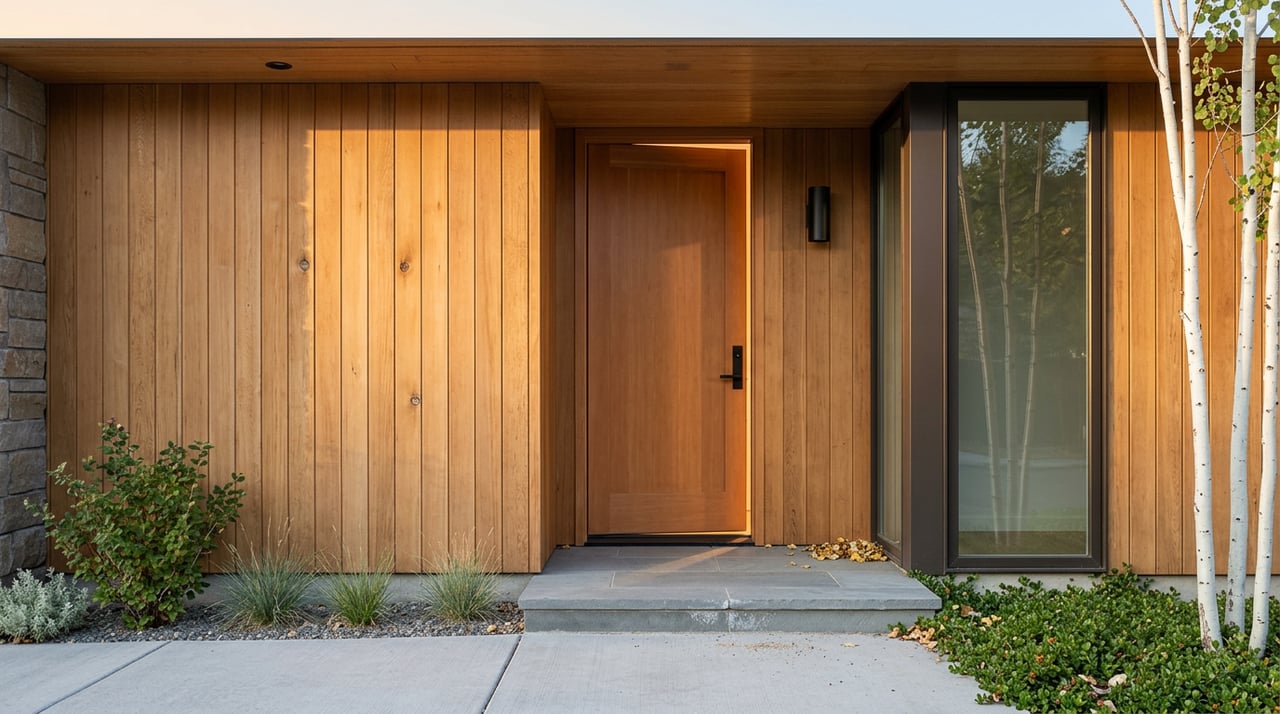
If your home has original trim, wood siding, porch elements, older windows, or historic outbuildings, those features can support the home’s value and story. Preserving and documenting them can strengthen your listing more than swapping them out for modern substitutes.
This is especially important in Redstone because the district treats the setting and visible historic fabric as part of the property’s overall character. For many buyers, those details are exactly what make the home memorable.
Before you make exterior changes, it is smart to understand how local review works. In Redstone, any building permit or development permit for exterior alterations, relocation, or development of a designated historic property must be submitted with either a Certificate of No Effect or a Certificate of Appropriateness.
Some work is exempt. Ordinary maintenance and repair that does not change design, materials, architectural elements, or site features is generally exempt, as are interior remodeling, exterior repainting and paint-color selection, and repairs that match existing walls.
That distinction matters if you are thinking about pre-listing improvements. A project that looks like maintenance may move more smoothly than one that reads as redesign.
The county also treats some limited work as minor development, including a one-element remodel, an expansion of 100 square feet or less, and certain limited awnings, fences, and signs. Routine repairs and re-roofing can also be exempt if they comply with the guidelines.
In a place like Redstone, careful cosmetic work often beats dramatic renovation. The best pre-listing improvements usually make the home feel well cared for while staying true to its historic character.
You may want to focus on:
If you have historic photos or records, they can be especially valuable. County guidance allows lost historic elements to be restored when photographic evidence exists, and those materials can also help tell a stronger listing story.
Not every improvement adds value in a historic district. In Redstone, changes that conflict with the design guidelines can limit buyer appeal and may create concerns about future approvals or corrective work.
The county’s guidance is specific about materials and design. Historic materials in the district include wood clapboard siding, wood shingles, wood double-hung windows, and asphalt roofing.
Darker roofs are preferred, and metal roofs are allowed only in rusted, dark brown, or dark gray nonreflective finishes. Vinyl or aluminum siding is not acceptable on principal or accessory buildings.
The guidelines also discourage enclosing historic front porches, altering original window openings, and moving historic outbuildings when it can be avoided. Additions are encouraged at the rear and should remain subordinate to the original structure.
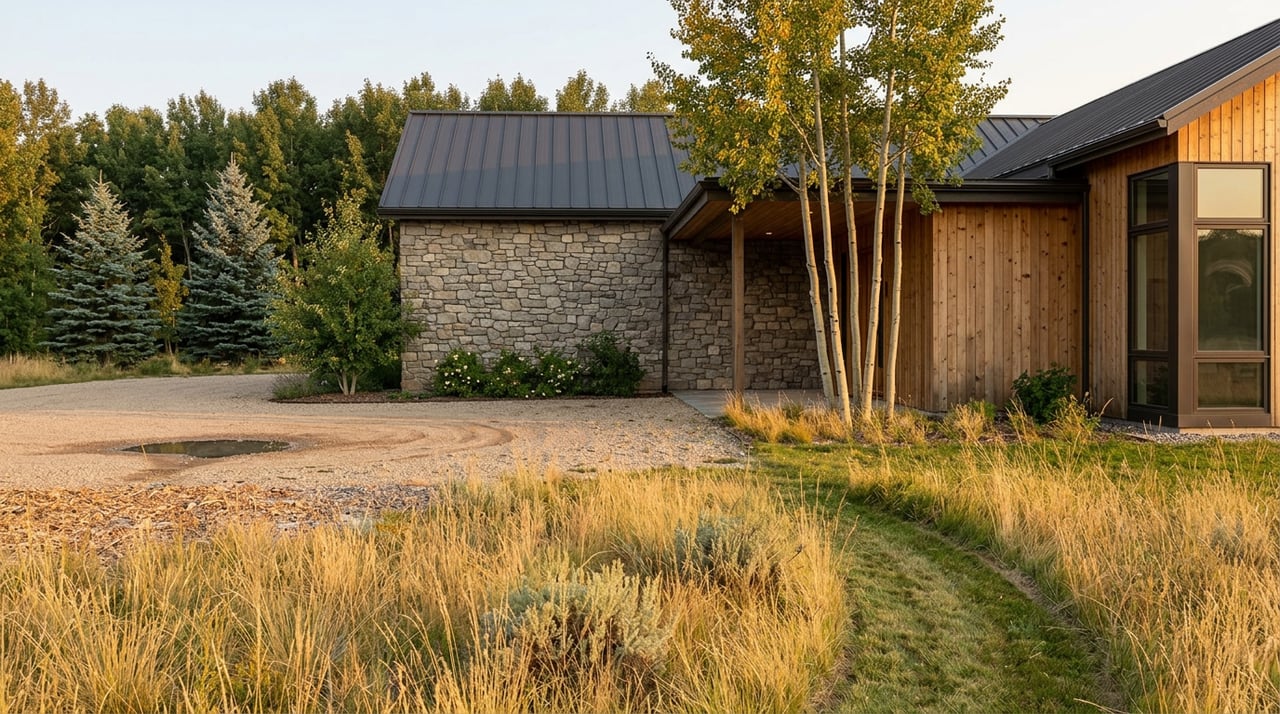
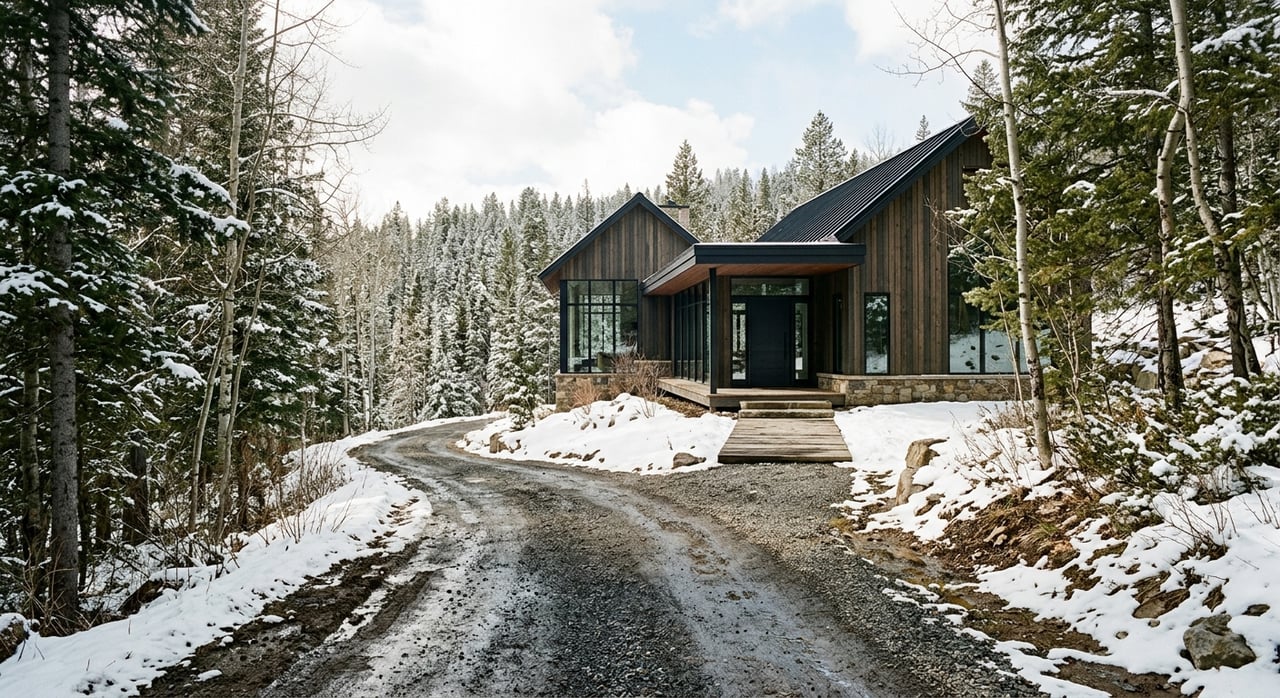
If your home leans more rustic than formally historic, the same principle still applies. Buyers in this market are often drawn to authenticity, not generic mountain styling.
Pricing a historic or rustic home in the Crystal River Valley takes restraint and local knowledge. Broad valley averages may not tell the right story for a home in Redstone.
Pitkin County divides property valuation into specific areas, and Redstone is its own area within that framework. The county appraises property as of January 1 and reappraises all properties in odd-numbered years, with the 2025-2026 valuation cycle using sales from July 1, 2022 through June 30, 2024.
What does that mean for you? Your pricing strategy should rely heavily on truly local comparable sales and on the specific traits of your property, not just on county-wide or valley-wide numbers.
That is especially important because Redstone has a limited pool of direct comparables. Historic designation, preserved character, deferred maintenance, site relationship, and approval complexity can all affect value differently from one property to the next.
A smart pricing conversation often separates three pieces:
Recent county valuation reporting also suggests Redstone has shown increases even while overall Pitkin County valuations have stabilized after the sharp 2023 surge. That is useful context, but it still supports a careful, property-specific pricing strategy rather than blanket assumptions.
In Redstone, the strongest marketing is rarely about square footage alone. Buyers are often responding to the feeling of the home and its connection to the village.
That is where strong storytelling matters. A thoughtful listing should connect the home to the Osgood-era history, the Crystal River setting, the surrounding cliffs and forest, and the village’s established pattern and landmarks.
This approach aligns naturally with Karen Peirson’s marketing style. Instead of reducing a special home to a list of features, the goal is to present it as a complete lifestyle and place-based opportunity.
For cottages, cabins, and homes with outbuildings, this becomes even more important. In Redstone, those structures are often part of the historic character rather than just extra storage or secondary space.
Visual marketing should highlight the features buyers are least likely to find somewhere else. In a historic district, that usually means character, setting, and relationship to the site.
The most effective images often include:
These visuals help buyers understand the value of the property beyond finishes alone. They also support the larger message that your home is part of a rare and established place.
If your property feels more rustic than purely historic, the same market logic still holds. Buyers in the Crystal River Valley often want charm, texture, and a connection to the outdoors, but they also want clarity around condition and long-term stewardship.
That means your sale strategy should balance atmosphere with facts. You want buyers to appreciate the home’s wood, stone, porches, outbuildings, and site character while also understanding what has been maintained, what has been preserved, and what may require review if they plan future changes.
This kind of honest, polished positioning builds trust. It also helps attract buyers who value Redstone for what it is, not for what they might try to turn it into.
Selling in Redstone asks more from a broker than posting photos and setting a price. You need someone who can read the local context, understand how preservation standards affect prep decisions, and market the lifestyle that makes the property stand out.
That is where a boutique, high-touch approach can make a real difference. When your home has a story, a careful advisor can help shape that story into pricing, presentation, and exposure that feels accurate and compelling.
In a market as nuanced as Redstone, details matter. The right guidance can help you avoid missteps, protect what buyers value most, and present your home with the level of care it deserves.
If you are thinking about selling a historic or rustic home in Redstone or the Crystal River Valley, Karen Peirson offers thoughtful local guidance, tailored pricing insight, and polished marketing designed to honor both your property and its place.
Start your Aspen home search with a trusted local expert. Whether you're looking for a ski-in/ski-out retreat or a cozy home in the valley, Karen will guide you every step of the way.