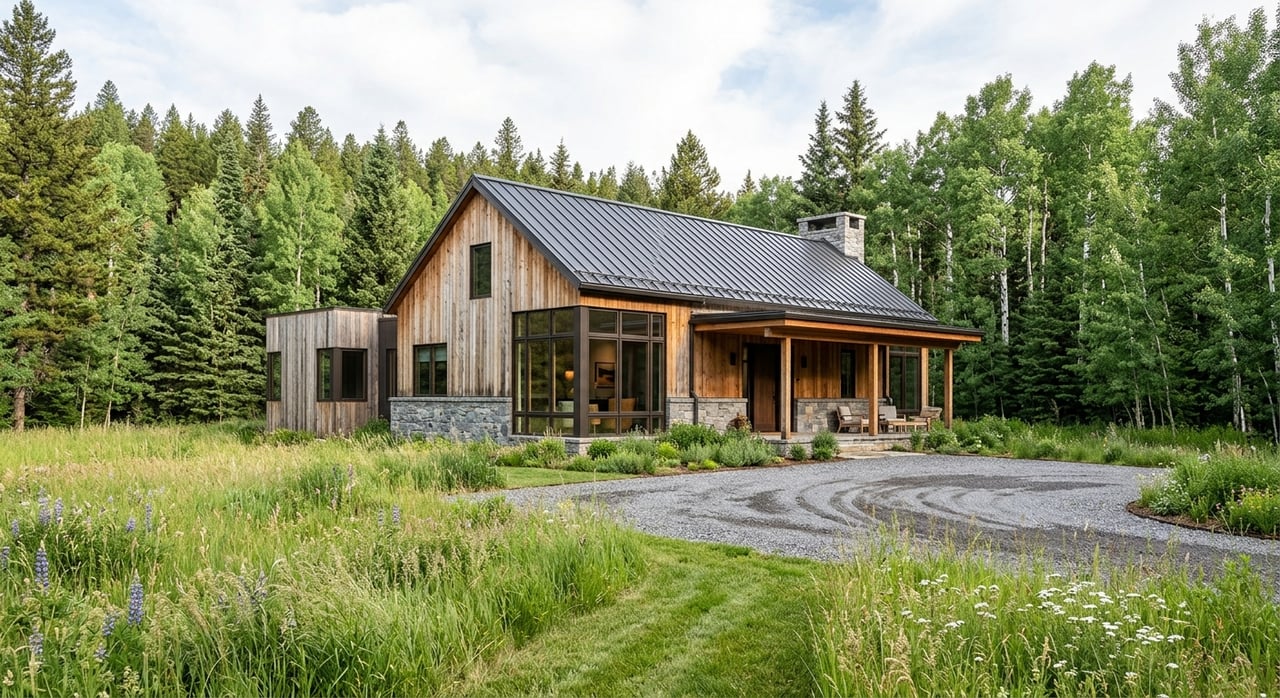
What Living in Old Snowmass Colorado Feels Like
What does a slower pace actually look like when you still want access to world-class recreation and the broader Roaring Fork Valley? In Old Snowmass, it often means waking up to open pasture views, planning your week around trails and seasons, and settling into a landscape that still feels deeply rural. If you are drawn to space, scenery, and a steadier everyday rhythm, this guide will show you what makes Old Snowmass so rewarding. Let’s dive in.
Old Snowmass sits within Pitkin County’s Snowmass and Capitol Creek landscape, an area the county continues to describe as predominantly rural and agricultural. Even with Aspen and Snowmass Village within the valley’s daily orbit, the setting remains defined by open meadows, pastures, and active agricultural use.
That matters because the character here is not just a feeling. County planning documents identify livestock grazing, equestrian activity, and irrigated alfalfa and native-grass farming as core uses in this landscape. They also emphasize that buildings should remain visually secondary to the natural surroundings, which helps explain why Old Snowmass feels so grounded in the land.
Life in Old Snowmass tends to move with the terrain, the weather, and the seasons. Instead of a walk-to-everything pattern, your routine is more likely to involve driving, riding, or using regional transit for errands, recreation, and connections across the valley.
For many buyers, that is part of the appeal. You get a quieter home base with a pastoral backdrop, while still living in a county where tourism, recreation, arts, and cultural events help shape a vibrant year-round economy.
The result is a lifestyle that feels balanced. You can spend the morning in a peaceful rural setting and still reach the broader Aspen and Snowmass experience as part of your normal week.
One of the biggest rewards of Old Snowmass living is that open space is not just nearby. It is woven into how the area is managed and preserved.
Pitkin County Open Space and Trails conserves nearly 30,000 acres and maintains 86 miles of trails plus 60 miles of Nordic trails countywide. Its mission includes recreational, wildlife, agricultural, scenic, and access needs, which means the landscape is being managed with multiple long-term priorities in mind.
For you as a resident, that can translate into a strong sense of continuity. The wide-open feel, agricultural backdrop, and access to nature are part of a larger stewardship approach, not simply leftover undeveloped land.
In Old Snowmass, outdoor access can become part of your everyday routine rather than something saved for weekends. The Basalt-Old Snowmass Trail is open year-round and is groomed for Nordic skiing in winter, which gives you a practical, repeatable way to enjoy the landscape in multiple seasons.
The Rio Grande Trail is also open year-round and adds another layer of access across the valley. At the same time, some stretches can have seasonal rules, including a dog closure in a roughly one-mile stretch of lower Snowmass Canyon during part of the winter and spring.
That is an important part of the local rhythm. Living well here means enjoying the access while also paying attention to trail conditions, leash rules, and seasonal closures.
If your idea of home includes more than neighborhood walks, Old Snowmass stands out for its connection to larger wilderness terrain. The Snowmass Creek trailhead provides access into the Maroon Bells-Snowmass Wilderness, with the Maroon-Snowmass Trail beginning there.
This is meaningful for buyers who want immediate access to serious hiking and overnight adventure. Some overnight trips require permits and bear-resistant containers, so the experience comes with both opportunity and responsibility.
Snowmass Ski Area is another major part of the area’s lifestyle appeal. With 3,132 acres of terrain, 91 trails, and 21 lifts, it remains a major winter anchor within the same broader orbit as Old Snowmass.
That combination is a big reason the area resonates with second-home buyers and full-time residents alike. You can enjoy a rural valley setting without feeling far removed from resort-level recreation.
In Old Snowmass, wildlife is not a rare sighting. Pitkin County’s planning documents identify elk, deer, moose, bear, mountain lions, bobcats, coyotes, and beaver as part of the valley habitat and migratory network.
That adds beauty and meaning to daily life, but it also shapes how you live on the land. The county encourages minimal outdoor lighting to help preserve dark night skies, and wildlife-aware habits are part of being a good steward of the setting.
For many buyers, this is one of the deepest rewards of the area. You are not moving into a polished resort bubble. You are living within an active mountain landscape that asks for awareness and respect.
The agricultural character around Old Snowmass is reinforced by nearby open-space parcels and working-land uses. Lazy Glen Open Space includes a small-scale farming lease area, heritage fruit trees, barn space, river access, and a pedestrian and bike bridge to the Rio Grande Trail.
Deer Creek Open Space includes horse pasture and a residence, while Wheatley Open Space includes a 24-acre irrigated lease area, river frontage, and Rio Grande Trail access. Together, these nearby places help support the ranchland feel that defines this part of the valley.
That can be especially appealing if you value a landscape that still shows its working roots. The views and privacy often feel richer when they are tied to active stewardship and agricultural use rather than simply scenic design.
A common misconception about rural living is that you give up connectivity. In Old Snowmass, the tradeoff is usually not isolation but a different pattern of movement.
RFTA serves a 70-mile corridor from Rifle to Aspen and includes Basalt, Carbondale, Glenwood Springs, Snowmass Village, Aspen, and Pitkin County. The Roaring Fork Valley Local connects Glenwood Springs through Aspen, and the Snowmass Aspen route is fare-free between Snowmass Village and Aspen.
That broader transit network helps keep Old Snowmass connected to the valley. You may still rely heavily on a car or a car-and-bus routine, but you are linked to major destinations, job centers, recreation hubs, and community activity across the region.
Old Snowmass appeals to buyers who want more than a pretty view. It offers a specific kind of everyday experience rooted in space, stewardship, recreation, and a quieter pace.
Some of the biggest rewards include:
For the right buyer, those qualities can feel deeply restorative. You are not chasing constant activity at your doorstep. You are choosing a home base with room to breathe.
Like any lifestyle choice, Old Snowmass comes with practical considerations. The setting is not designed around suburban convenience, and that is worth understanding clearly before you buy.
A few realities to keep in mind include:
For many people, these are not drawbacks so much as part of the value proposition. Still, the best fit comes when your expectations match the landscape.
Buying in Old Snowmass is often about more than square footage or finish level. It is about whether the pace, setting, and land ethic align with how you want to live.
If you want a place where the scenery leads, where recreation feels close at hand, and where open space remains central to the identity of the area, Old Snowmass offers a distinctive option in Pitkin County. It gives you a slower lane without cutting you off from the rest of the valley.
When you are considering a move in Old Snowmass or anywhere in the Roaring Fork Valley, local context matters. Karen Peirson can help you evaluate lifestyle fit, property options, and the nuances that shape day-to-day living in this unique part of the valley.
Start your Aspen home search with a trusted local expert. Whether you're looking for a ski-in/ski-out retreat or a cozy home in the valley, Karen will guide you every step of the way.