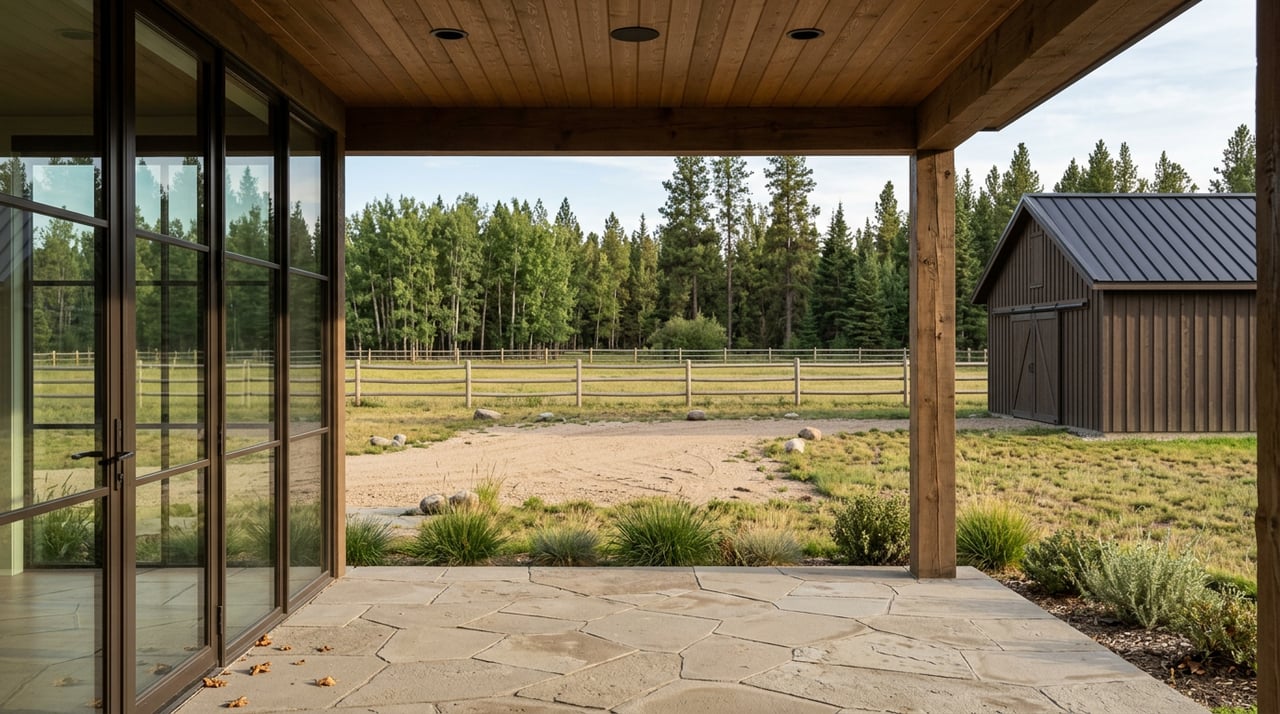
Old Snowmass Ranch Properties: A Smart Buyer’s Guide
Imagine waking up to golden hay meadows, quiet creek sounds, and wide‑open sky, then being on the slopes or in downtown Aspen within minutes. If you’re drawn to ranch or acreage living in Old Snowmass, you likely want privacy without losing access to world‑class amenities. This guide lays out the practical side of that dream — from roads and wells to wildfire, water rights, and building rules — so you can buy with confidence. You’ll find a simple checklist, local context, and what to confirm in writing before you make an offer. Let’s dive in.
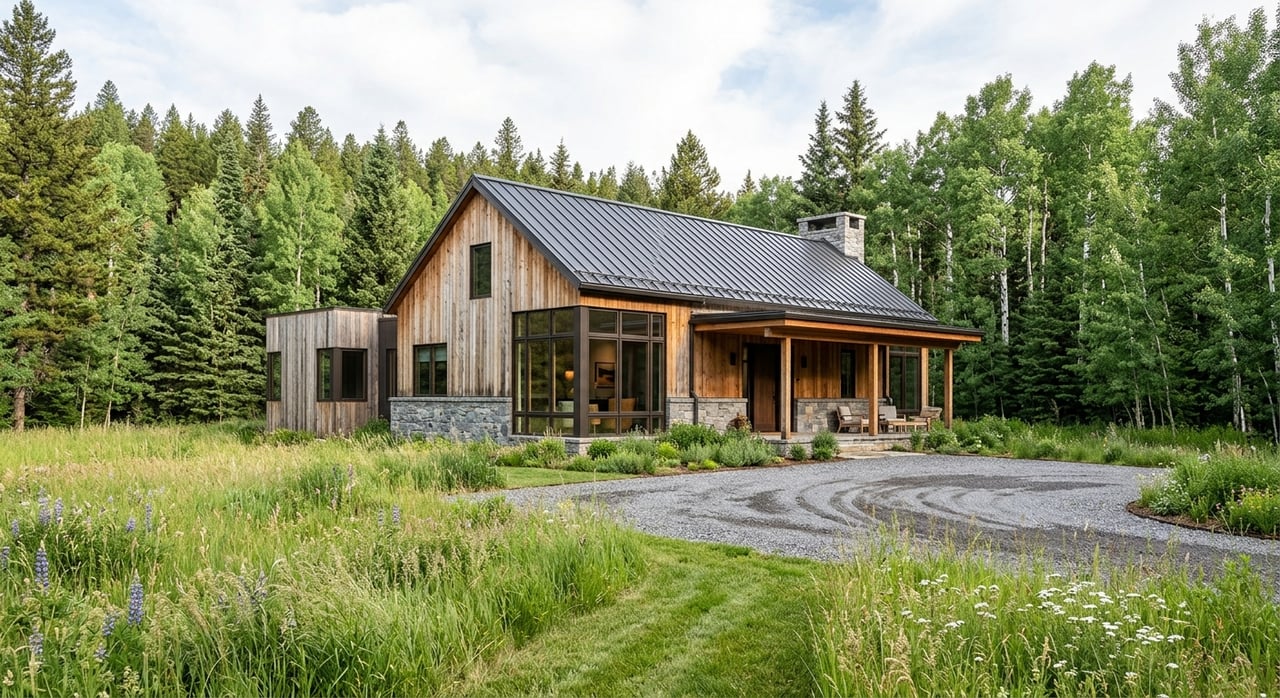
Old Snowmass sits along Highway 82 in Pitkin County, near the mouth of Snowmass Creek and the Roaring Fork Valley. For a quick primer on the area, see the overview of Snowmass, Colorado on Wikipedia. The landscape ranges from small ranchettes to legacy properties with irrigated meadows, barns, ponds, and long views.
Buyers choose Old Snowmass for a rare mix: quiet, rural living with quick access to Aspen, Snowmass Village, and Basalt. Depending on your parcel, you can expect roughly 15 to 25 minutes to major town centers and ski areas. That balance makes it easy to enjoy outdoor recreation, airport access, grocery runs, dining, and cultural events without giving up space and privacy.
Outdoor access is a major draw. You’re close to river corridors, mountain biking and hiking networks, and the Maroon Bells–Snowmass Wilderness, one of the valley’s headline backcountry destinations. If year‑round recreation is your north star, proximity to wilderness trailheads and the ski mountains is a key part of the Old Snowmass lifestyle.
Ranching and conservation are part of the local fabric. You may see haying, livestock, or irrigation activity, and some large properties carry conservation overlays. Expect a wide spread in pricing based on acreage, water rights, improvements, and any development limitations.
Year‑round access is essential. Confirm whether your road is a public county road, a private road with a recorded easement, or behind a gate. That choice affects who plows in winter, emergency response times, and long‑term maintenance costs. Start with the Pitkin County Land Use Code to understand access standards and confirm recorded easements.
If roads are private, ask for the recorded road‑maintenance and snow‑removal agreements and review historical plowing practices. For remote or steep driveways, confirm emergency vehicle access, gate widths, turnaround space, and any bridges or culverts. Get a written history of winter access from the seller and neighbors.
Holy Cross Energy serves most of Old Snowmass. Confirm service at the meter, transformer location, and whether line‑extension costs apply on larger or newly developed parcels. Check Holy Cross Energy’s service area map for coverage and planning.
Internet service varies by parcel. Regional broadband efforts continue to expand middle‑mile capacity, but last‑mile can still be limited. Many rural owners rely on fixed wireless or satellite as a primary or backup. Ask for current providers and speed tests at the address, not just the neighborhood.
Heating is often propane outside gas districts. Budget for deliveries, tank ownership or lease, and generator readiness if you value resiliency.
You will typically see one of two water setups: a connection to a small community system, or a private domestic well. Larger ranches may also have adjudicated irrigation rights that support hay meadows or pastures. Irrigation rights are valuable and highly specific, so verify the decree and any ditch company records.
In Colorado, most wells require a state well permit, and some areas may need augmentation plans. Always confirm the permit number, well log, reported yield, and pump installation details with the Colorado Division of Water Resources. Schedule a professional yield test and water quality test during due diligence.
If you are on a community system, review ownership, source reliability, treatment standards, and contingency plans. Ask for water quality reports, rate schedules, and reserve funds for maintenance.
Most unsewered parcels in Pitkin County use onsite wastewater systems. The county regulates permitting, inspections, and upgrades. Request the septic permit, as‑built diagram showing tank and leach field, pumping records, and any recent inspections from Pitkin County Environmental Health.
If you plan to add bedrooms or finish a lower level, ask whether the system can support the new design and what upgrades may be required. Confirm timelines and costs early, since engineering and county approvals take time.
Pitkin County’s Land Use Code governs zoning, building envelopes, allowed floor area, and Growth Management Quota System rules. Many large parcels have defined building envelopes and specific allowances for barns or agricultural structures. Do not rely on listing summaries alone. Request written county confirmation of your parcel’s zoning, allowed square footage, envelope boundaries, and any design review or open‑space covenants.
If you are exploring additional development, speak with Community Development about permit timelines, study requirements (such as wildlife or hydrology), and whether Transferable Development Rights might apply.
Wildfire is a material risk in the Roaring Fork Valley. Pitkin County posts fire restriction updates and is aligning code with best practices for defensible space, driveways, and building standards. Use county wildfire resources and the Colorado Forest Atlas to understand parcel‑level risk and mitigation strategies.
Plan to maintain defensible space, hardened vents and soffits, and ember‑resistant details. Account for potential insurance impacts and mitigation costs in your budget.
If horses or small‑scale ag are part of your plan, inspect barns, stalls, ventilation, drainage, water access, manure management, and safe fencing. Trailer access and gate widths matter on rural drives. For pastures in a semi‑arid climate, rotational use and drought planning protect your forage. CSU Extension offers practical guidance on managing small‑acreage pastures during and after drought.
Confirm hay suppliers, winter feeding logistics, and storage capacity. If your parcel includes irrigation, review the delivery method, ditch conditions, and annual schedules.
Homeowners insurance in Colorado has tightened due to wildfire and severe weather. Premiums can be higher in rural and high‑risk zones, and underwriting options may be limited. Get quotes early, tied to the specific address, and ask about mitigation credits. Colorado Public Radio reports on statewide insurance pressures, which can impact rural buyers’ budgets.
For financing, most lenders require proof of potable water, acceptable septic, recorded access, and insurability. Remote parcels can trigger extra questions about road maintenance and utilities. Have your well permit, septic documentation, and access agreements ready.
Use this list to structure your offer and inspection periods. Get documents and confirmations in writing, and order independent inspections when possible.
Access and roads
Zoning and development
Water and irrigation
Septic (OWTS)
Utilities and internet
Wildfire and insurance
Title and encumbrances
Environmental and site conditions
Inspections
Ranch and acreage living brings a seasonal rhythm. Winter may mean more plowing, generator checks, and careful fuel planning. Spring requires road and drainage upkeep, fence repairs, and irrigation start‑up. Summer and fall bring haying schedules, pasture rotation, and wildfire mitigation.
Build a local roster for plowing, grading, arbor work, well and septic service, and equine care if needed. A grounded plan protects your time and helps you enjoy why you came: space, quiet, and immediate access to the outdoors.
Buying acreage in Old Snowmass is both a lifestyle decision and a technical project. The right partner will help you verify access, utilities, water rights, envelopes, and insurance early, then coordinate inspections and approvals on your timeline. If you want expert guidance with a boutique, high‑touch approach and the marketing horsepower of a global brand, connect with Karen Peirson. Book a consultation to map your goals and next steps.
Start your Aspen home search with a trusted local expert. Whether you're looking for a ski-in/ski-out retreat or a cozy home in the valley, Karen will guide you every step of the way.