Buying a Historic Home in Redstone: What to Expect
If you have ever dreamed of owning a home with a real story behind it, Redstone may stop you in your tracks. Tucked into the Crystal River Valley, this historic village offers a rare mix of mountain scenery, preserved architecture, and small-town character that can feel hard to find today. If you are thinking about buying here, it helps to understand both the charm and the responsibilities that come with a historic property. Let’s dive in.
Redstone stands out because it is not just an old mountain town. It is a former company town with roots tied to John Cleveland Osgood’s coal and steel enterprise, founded in 1889. Over time, the village grew to include worker cottages, the Redstone Inn, and civic buildings, and its historic importance was later recognized through the Redstone Historic District designation and National Register listing.
For many buyers, the appeal goes beyond the homes themselves. Redstone sits along the Crystal River on the West Elk Scenic Byway, and official sources highlight its access to open space, parks, small shops, galleries, and lodging in a striking alpine setting. According to Colorado’s official tourism resources, the village also benefits from nearby preserved land and a setting close to the Maroon Bells-Snowmass Wilderness Area.
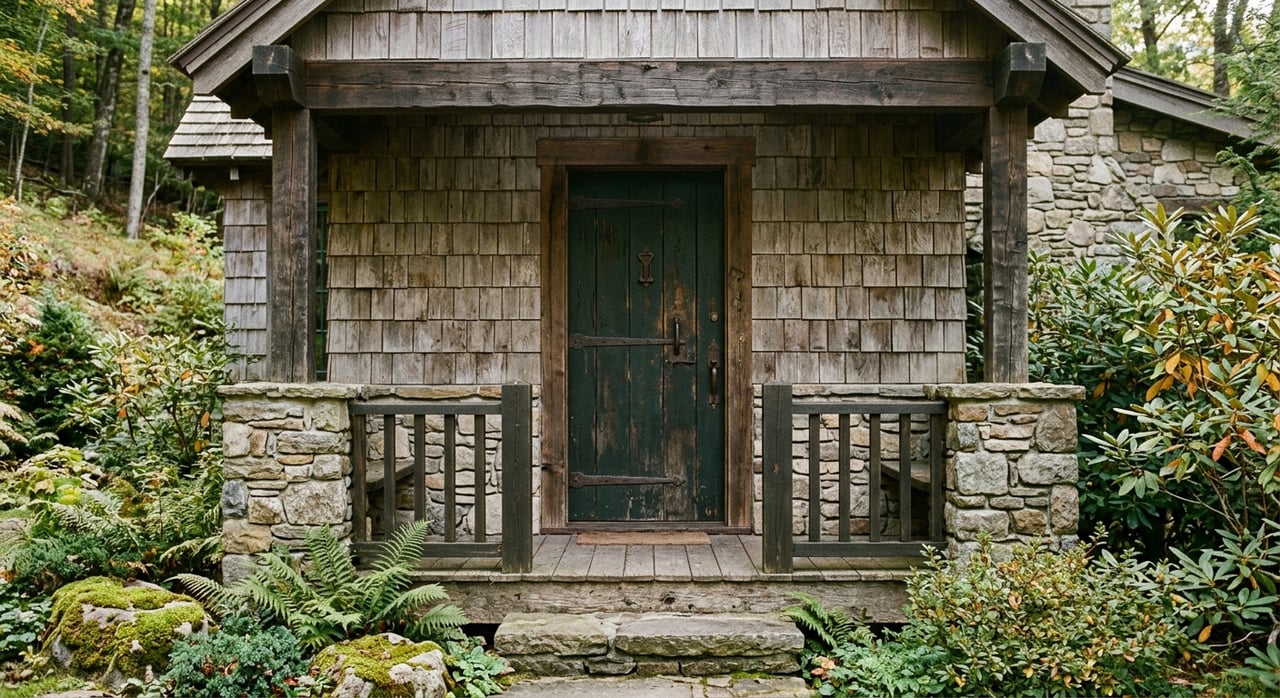
One of the joys of buying in Redstone is that the homes still reflect the village’s early design character. Pitkin County’s historic guidance describes a mix of Tudor Revival, Queen Anne, Colonial Revival, and Shingle influences throughout the district. You may see details like half-timbering, stucco, diamond-pane windows, porches, dormers, decorative trim, and stone foundations in many of the character-rich properties.
The traditional material palette matters too. According to Pitkin County’s Redstone historic guidelines, common historic materials include horizontal wood clapboard siding, wood shingles, wood double-hung windows, and darker asphalt roofing. In practical terms, that means homes often carry a warm, handcrafted look that feels very different from newer mountain construction.
Some original Redstone cottages were built on a very modest scale. County guidance notes that certain Boulevard cottages were about 700 square feet, generally one story, with wood-shingled hip roofs, brick chimneys, minimal foundations, and no basements. High water tables, flooding risk, and underground rock conditions shaped those early designs.
That matters when you shop. If you are considering a historic home in Redstone, you may be choosing architectural character and village setting over large storage areas, basement space, or simple expansion potential. Larger manager-level houses do exist, but even then, buyers should be realistic about what an older historic property can and cannot easily become.
One of the biggest differences between buying in Redstone and buying in a non-historic neighborhood is the review process for exterior changes. Pitkin County states that the Redstone Historic Preservation Commission reviews repair, alteration, and new-development work within the district. The county’s current rules require projects to be compatible with the historic design, massing, scale, volume, and town pattern of Redstone.
This is an important point for buyers. A National Register listing by itself does not automatically restrict what a private owner can do, but Redstone also has local county review rules that do apply. The county’s current Redstone guidelines and amendments explain that some low-impact work may be handled administratively, while many exterior changes still require review or referral.
If you plan to update a home’s exterior, the details are not minor. Pitkin County says historically compatible materials such as wood clapboards, wood shingles, and wood windows are preferred, and vinyl and aluminum siding are not acceptable for principal or accessory buildings. Roofs should also read darker, with dark asphalt shingles generally preferred.
Replacement work is expected to match historic materials in type, quality, and profile. You can review those requirements in the county’s design standards for Redstone properties. For buyers, this means renovation budgets should account for preservation-minded materials and craftsmanship, not just standard replacement costs.
Before you move forward on a historic home in Redstone, it is smart to look beyond the usual purchase checklist. Older homes in a regulated district come with extra layers of due diligence. Clear records and early questions can save you time, money, and frustration later.
Here are a few questions worth asking:
Pitkin County notes that the commission’s reach includes the designated area within 1,000 feet of the established boundary and other designated resources, which you can confirm through the Redstone Historic Preservation Commission page. The county also says a pre-application conference is strongly recommended, which can be especially helpful if you already have renovation ideas.
In Redstone and the broader Crystal River Valley, utility questions are especially important. Pitkin County says many residences rely on private wells, and every new groundwater well requires a state permit. The county also makes clear that private-well water quality is the owner’s responsibility, because it does not test residential well water.
Homes outside a sewer district may also rely on onsite wastewater treatment systems, or septic systems. Before closing, ask whether the property is served by district utilities or private systems, and request recent inspection, pumping, and maintenance records where applicable. Pitkin County’s well information page is a useful reference when reviewing these issues.
Historic charm does not replace practical due diligence. Pitkin County states that testing is the only way to know whether a home has radon, and the county does not perform radon testing itself. For older homes, buyers should also keep in mind that pre-1978 housing may involve lead-based paint disclosure and lead-safe renovation requirements, as noted by CDPHE and EPA in the research provided.
Because some Redstone cottages were built on minimal foundations and without basements, drainage and moisture deserve extra attention during inspections. A buyer team that understands older mountain homes can help you spot issues that may not be obvious during a casual showing.
For many buyers, the lifestyle is what makes the extra diligence worthwhile. The Crystal River runs along the west side of town, and Redstone offers easy access to outdoor recreation and village amenities in a setting that still feels rooted in its history. The Advisory Council on Historic Preservation notes nearby activities such as swimming, fishing, rafting, kayaking, galleries, shops, and lodging.
Pitkin County also maintains Redstone Park and Elk Park, with amenities that include picnic areas, benches, a gazebo, a play area, a winter ice rink, and a pedestrian bridge. Nearby Penny Hot Springs adds another year-round draw along the Crystal River. For buyers who want a home that connects architecture, outdoors, and local history, Redstone offers a very distinctive ownership experience.
Buying a historic home in Redstone is often less about quick cosmetic change and more about thoughtful stewardship. The preservation framework is designed to protect the village’s historic integrity, pedestrian character, and original town pattern. If you are the kind of buyer who values place, history, and long-term character, that can be a real advantage.
At the same time, it helps to go in with the right expectations. Renovations may take more planning, materials may cost more, and approvals may add time to your project. For many buyers, though, that tradeoff is exactly what helps preserve Redstone’s unique identity.
A historic-home purchase usually goes more smoothly when you have the right experts involved early. In a place like Redstone, that often means working with a local real estate advisor, an inspector with experience in older mountain homes, and contractors or specialists who understand historic materials, wells, septic systems, radon testing, and lead-safe renovation practices.
If you are exploring historic homes in Redstone or anywhere in the Crystal River Valley, working with a local advisor can help you balance lifestyle goals with the realities of ownership. When you are ready for tailored guidance, connect with Karen Peirson for a thoughtful, high-touch approach to buying in the Roaring Fork Valley.

Start your Aspen home search with a trusted local expert. Whether you're looking for a ski-in/ski-out retreat or a cozy home in the valley, Karen will guide you every step of the way.