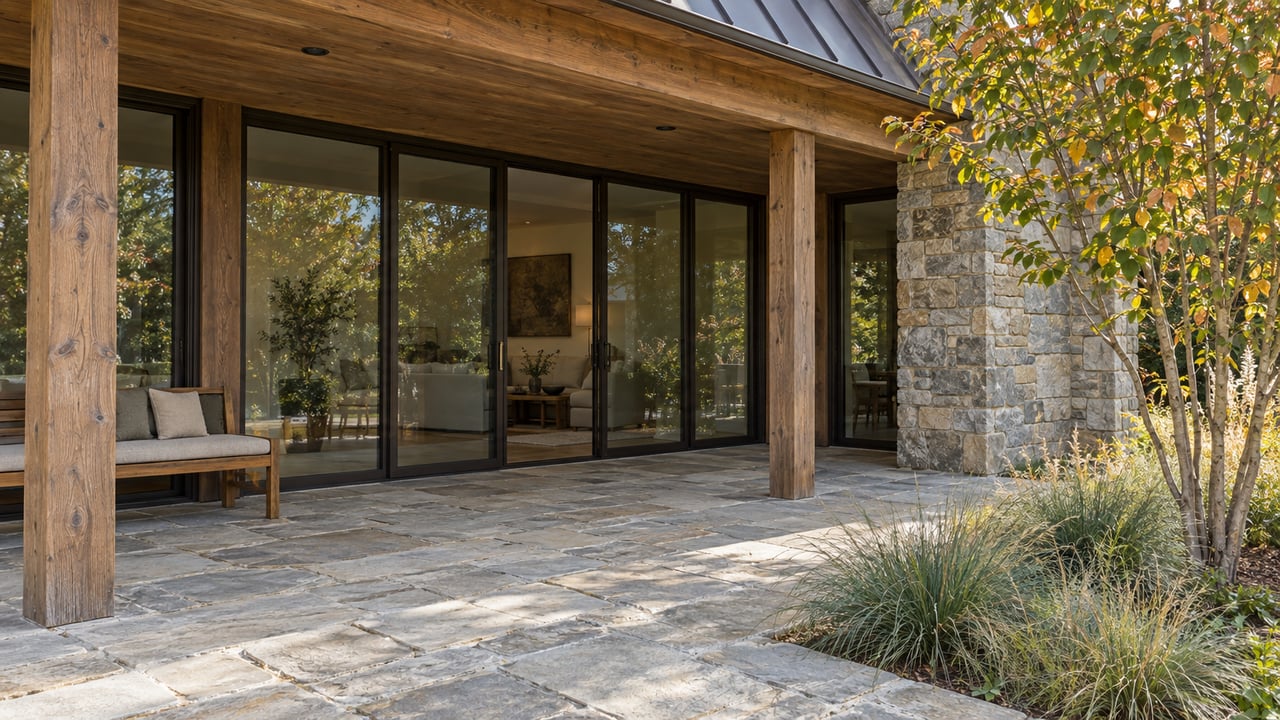
The Summer the Frying Pan Outfished the Roaring Fork in Basalt
This summer, the quieter of Basalt's two rivers won. For five weeks in late July and August, Colorado Parks and Wildlife issued a voluntary afternoon fishing closure on the Roaring Fork River, the river that gives the whole valley its name and shows up on every scenic overlook sign between here and Glenwood Springs. Meanwhile the Frying Pan, the tailwater that most weekend anglers treat as the warm-up act before the main river, was rated the best fishing water in the entire state.
If you fish, float, or just walk the path along the confluence downtown, you probably felt some version of this without having the full picture. Here is what actually happened to the two rivers that meet at Basalt this year, and why the order you're used to got turned upside down for most of a season.
Basalt sits at the confluence of the Frying Pan and Roaring Fork rivers, and both carry Gold Medal designation from Colorado Parks and Wildlife, a status held by only 322 miles of the state's 9,000 miles of trout streams. The Roaring Fork is the bigger, wilder water, running free from its headwaters near Independence Pass through Aspen and down through town. The Frying Pan is a tailwater, released from the bottom of Ruedi Reservoir about 14 miles upstream of its meeting with the Fork, which is why it stays cold and clear even in a hot summer. Locals generally treat the Fork as the main event and the Pan as the reliable backup, the place you go when conditions on the bigger river turn tricky.
This year that hierarchy broke.
Colorado's 2026 water year was one of the worst on record, described by fishing forecasters as worse by some measures than the drought years of 2002, 2012, 2018, and 2020. By August, nearly 460 miles of rivers statewide were under voluntary or mandatory fishing closures. Locally, Colorado Parks and Wildlife implemented a voluntary afternoon closure on the Roaring Fork River starting July 17, after streamflows dropped well below 50 percent of normal and water temperatures climbed to unsafe levels for trout. The closure held for more than a month before CPW lifted it on August 20, once increased releases from Ruedi Reservoir cooled the water enough to bring the Fork back into safe range.
The Crystal River, a short drive south of Basalt, had it worse. Flows there dropped to less than 10 percent of normal for the time of year, triggering a full-day voluntary closure that stayed in place well past the point the Fork reopened. The Colorado and Eagle rivers carried their own closures through the same stretch. The Frying Pan never closed at all.
The mechanism is simple once you see it. The Frying Pan's water comes from the bottom of Ruedi Reservoir, which means it stays cold no matter how hot the air gets on the surface. When the Colorado River Water Conservation District and the Colorado Water Trust increased releases out of Ruedi in August to relieve drought conditions downstream in the Grand Valley, the Frying Pan's flows climbed from around 145 cfs in early August toward 300 to 500 cfs, with brief spikes reported as high as 700 cfs. That cold water didn't just help the Pan. It flowed into the Roaring Fork below the confluence and helped bring the bigger river's temperature down enough for CPW to lift the closure by late August.
The releases were tied to a larger water fight that has little to do with fish. A shortfall in a Green Mountain Reservoir pool known as the Historic Users Pool meant senior water rights holders in the Grand Valley, the group known by the Cameo call, were short on the water they're legally entitled to. Basalt-based water managers used Ruedi's supply to cushion that gap, and Frying Pan anglers and kayakers felt the side effects all summer.
Nobody tracked this more closely than the people who make their living reading these two rivers. Frying Pan Anglers, the shop at 231 Midland Avenue in downtown Basalt, marked its 40th season this year. Founded in 1986 by Roy Palm, the shop passed to current owner Taylor Thackston in 2023, and its staff spent the summer redirecting clients between the two rivers as conditions flipped. Once flows on the Pan pushed past 500 cfs, the Aspen Daily News quoted Thackston saying wading became difficult in a lot of stretches, especially for anglers unfamiliar with the water, even as the same high flows made for excellent floating on the Roaring Fork below town.
Taylor Creek Fly Shops, marking its 50th year on the banks of the Fryingpan, published weekly reports tracking the same swings. And the Basalt-based Roaring Fork Conservancy, led by executive director Rick Lofaro, worked with a group called the Roaring Fork Fishing Guide Alliance to get word out to anglers as releases changed day to day. The Conservancy's own numbers put the stakes in plain terms: Frying Pan fishing brings an estimated 3.8 million dollars a year into the local economy, which is a meaningful reason the shop owners and guides were paying such close attention to a reservoir release schedule most residents never think about.
While anglers adjusted to water that was suddenly too fast to wade comfortably, paddlers had the run of their lives. Carbondale resident Jules Campbell, who has kayaked in the valley for twenty years but never on the Frying Pan, told the Aspen Daily News that the high water was very special. Carbondale kayaker Nate Smith spent several trips on the river during the surge and told the Aspen Daily News that flows around 500 cfs were about as good as it gets. For a few weeks in August, the Frying Pan was one of the only rivers in the entire state with enough water for good kayaking, a strange kind of silver lining to a drought that was otherwise bad news up and down the basin.
The same water year that brought afternoon fishing restrictions to the Roaring Fork also reached into daily life around Basalt in a more familiar way. The town's water restrictions are set at Stage 1 for the season, April 1 through October 31, with properties on even-numbered addresses watering Tuesday, Thursday, and Saturday and odd-numbered addresses watering Wednesday, Friday, and Sunday. If your sprinkler schedule felt tighter than usual this year, it was the same water year that brought afternoon fishing restrictions to the river a few blocks away.
By early September, the emergency releases had run their course. Once the contracted water shares that triggered the August surge were used up, releases from Ruedi dropped back sharply and the lower Frying Pan settled to around 62 to 69 cfs, clear, cold, and fishing well. As of the first week of September, the river was producing green drakes, pale morning duns, blue winged olives, serratellas, and midges all at once, enough overlapping hatches that shop reports were advising 6x and 7x tippet just to get picky fish to commit. The Roaring Fork, meanwhile, was running about 66 cfs near Aspen's Jaffe Park, 242 cfs through Basalt, and 444 cfs by Glenwood Springs, with every closure lifted and hopper fishing having an unusually strong year, likely a byproduct of the same dry conditions that caused the closures in the first place.
The two rivers are back to something like their usual roles for fall. But anyone who spent time on the water this summer now has a better answer than most to a question that comes up every drought year in this valley: which river do you trust when the other one faces afternoon fishing restrictions? This year, for once, it wasn't the Roaring Fork.
If you have been watching the Fork and the Pan trade places all summer, or you're curious what a season like this means for property near the confluence, Karen Peirson would love to talk rivers, not just real estate. Book a consultation whenever the conversation feels right.
This article is general information, not legal, tax or financial advice. Consult a qualified professional about your situation.


Start your Aspen home search with a trusted local expert. Whether you're looking for a ski-in/ski-out retreat or a cozy home in the valley, Karen will guide you every step of the way.