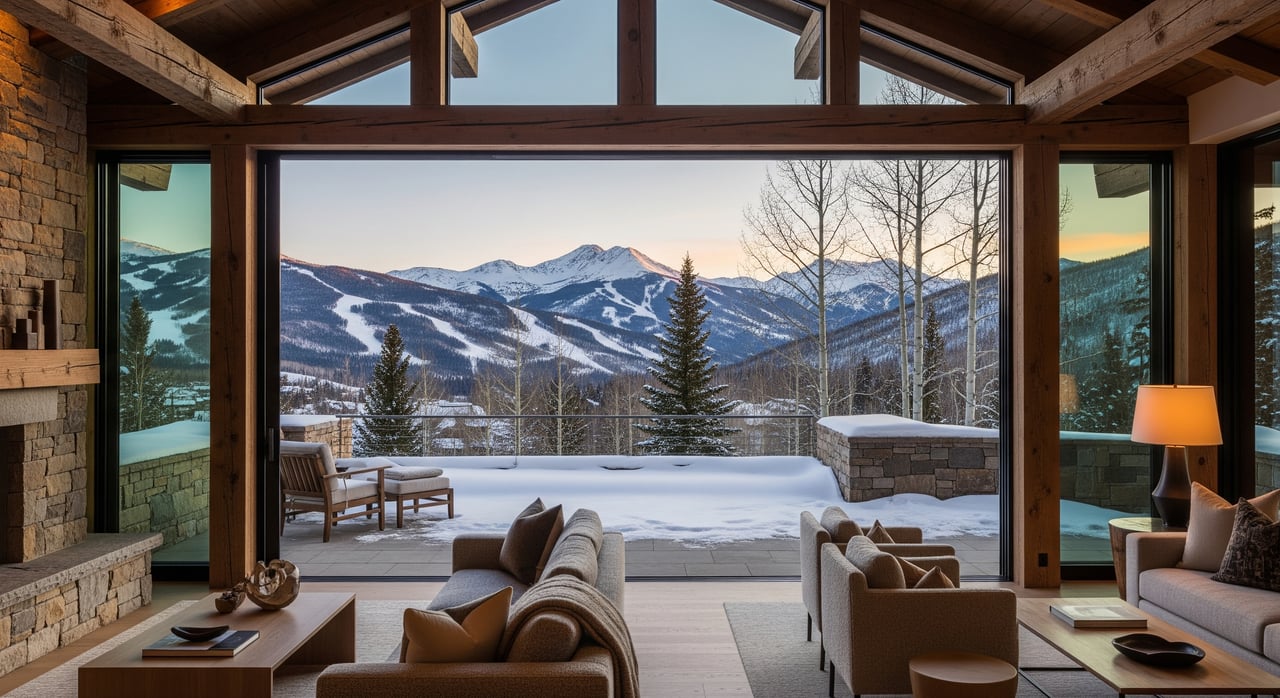
Aspen vs Snowmass Living: Which Mountain Lifestyle Suits You?
Torn between Aspen and Snowmass? You’re not alone. Both offer world-class skiing and mountain living, but the day-to-day feel, access, and housing options are different. In this guide, you’ll compare ski convenience, amenities, housing types, costs, and short-term rental considerations to find the right fit for your lifestyle. Let’s dive in.
Aspen and Snowmass Village sit a short drive apart in Pitkin County, sharing the same regional resort system and airport. Aspen centers on a compact, walkable downtown with dining, galleries, and cultural events. Snowmass is the ski-area hub with larger on-mountain terrain and a base village designed for easy access to the lifts. Both towns have small year-round populations and big seasonal swings.
The drive between Aspen and Snowmass Village typically takes 10 to 20 minutes, depending on weather and season. Aspen/Pitkin County Airport serves both communities and offers scheduled flights with seasonal peaks. Regional buses connect the valley, and Snowmass operates local shuttles in peak seasons. Winter conditions can lengthen travel times, so plan for variability.
Snowmass delivers the most consistent ski-in/ski-out experience at and around the base village. Many condos and slope-facing complexes let you carry your skis to the lift and back to your unit. If your perfect day starts and ends on the mountain with minimal logistics, Snowmass is hard to beat.
Aspen gives you in-town access to Aspen Mountain, plus easy walking to restaurants, retail, and year-round arts. Many properties are steps from nightlife and events, though not all are ski-in/ski-out. If you value dinner plans, galleries, and music just outside your door, downtown Aspen is the stronger match.
Aspen offers more restaurants, galleries, music and cultural institutions, and high-end shopping in a compact, walkable core. You’ll also find a broader set of year-round services like groceries and healthcare in or near town. Snowmass Village feels more resort-centered with family-oriented programming, kids’ activities, and extensive trail access. Evenings in Snowmass are quieter, while Aspen tends to stay lively later.
Snowmass Village features a large share of condos, fractional units, and hotel-style residences with on-mountain or base-village locations. These properties emphasize lock-and-leave convenience and often tie into established rental programs. Aspen’s mix includes luxury single-family estates, historic homes, townhomes, and high-end condos, especially near downtown and in well-known neighborhoods. Newer resort-focused buildings are more common in Snowmass, while Aspen blends restored historic properties with ultra-luxury new construction.
Both markets are luxury-tier compared with national averages. Aspen generally commands higher prices per square foot and a larger share of high-end single-family sales. Snowmass often offers a wider range of price points in resort condos and townhomes, though it is still a premium market. After the pandemic surge, activity cooled in 2022 to 2024, yet limited land and demand for convenient, newer product continue to support pricing.
Short-term rentals in both Aspen and Snowmass Village require licensing or registration, and rules vary by jurisdiction. Some zones limit STRs, and HOAs often add their own restrictions or standards. Compliance costs such as licensing, taxes, and management affect net returns. Before you buy, confirm municipal rules and HOA covenants to avoid surprises.
Property taxes in Pitkin County reflect high property values, so total bills can be substantial even if tax rates are moderate. If you plan to rent short term, transient lodging taxes will apply. Resort condos in Snowmass often carry higher HOA assessments to cover services like shuttle operations, amenities, and snow removal. Single-family homes in Aspen can have variable HOA costs but may incur higher maintenance budgets for landscaping, snow removal, and premium finishes.
Winter brings peak ski traffic and full event calendars. Summer opens up biking, hiking, and family programming, especially in Snowmass, along with Aspen’s festivals and concerts. Shoulder seasons are quieter in both towns and can be a good time to evaluate day-to-day convenience. Visiting in at least two seasons helps you feel the true rhythm of each place.
Use this simple framework to match location to lifestyle:
Define primary use
Rank your lifestyle features (1 to 5)
Check regulations and HOA
Assess operating costs
Consider resale and liquidity
Visit both in representative seasons
These archetypes can help you focus your search:
Choosing between Aspen and Snowmass is easier when you pair lifestyle goals with clear data on access, regulations, and costs. A knowledgeable local can help you compare buildings, review HOA rules, confirm rental eligibility, and estimate total carrying costs for each property. If you want a curated tour of both markets and honest advice on fit, reach out to Karen Peirson to get started.

Start your Aspen home search with a trusted local expert. Whether you're looking for a ski-in/ski-out retreat or a cozy home in the valley, Karen will guide you every step of the way.